Briefing
AARO Volume 2 Standoff: Will Pentagon Address Contractor SAPs?
Executive Summary
Across Capitol Hill and the national security intelligence community, anticipation and tension are mounting over the long-delayed publication of the All-domain Anomaly Resolution Office (AARO) Historical Record Report Volume 2. Mandated under the National Defense Authorization Act, Volume 2 is legally required to examine the most controversial facet of the UAP phenomenon: allegations from over forty high-clearance military and intelligence whistleblowers asserting the existence of covert crash-retrieval and reverse-engineering programs operated within unacknowledged Special Access Programs (USAPs) and private aerospace defense conglomerates. With lawmakers accusing the Pentagon of stalling, the impending report represents a critical crossroads for federal credibility.
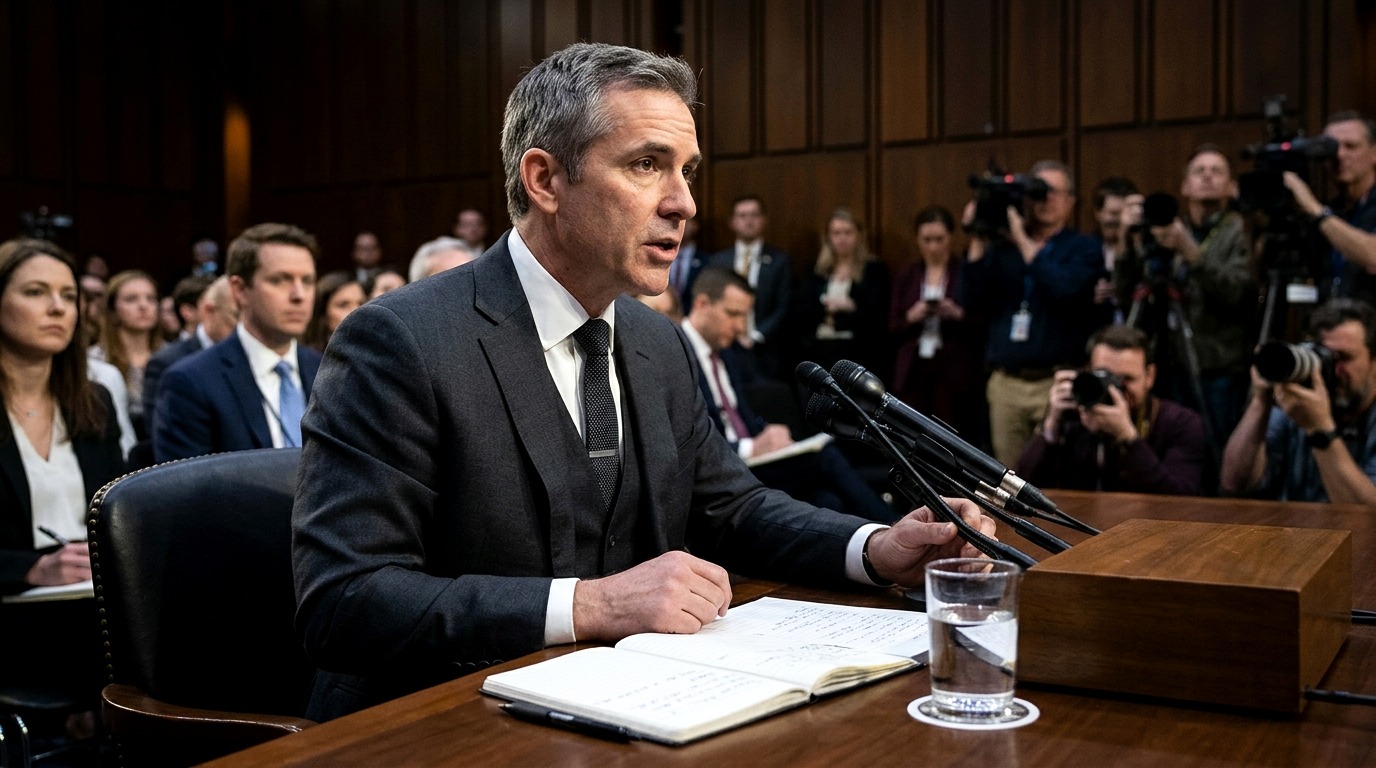
Congressional Oversight: House Holds Hearing on UFO Transparency
The official player loads only after selection. The source link remains available for direct verification.
What to know
While AARO's Volume 1 report—published in early 2024—dismissed claims of alien craft and asserted that historical reports resulted from misidentifications and classified US reconnaissance flights, it was roundly criticized by congressional lawmakers for ignoring classified depositions delivered directly to the Intelligence Community Inspector General (ICIG). Volume 2 must directly address private contractor interviews, including sessions with Lockheed Martin, Northrop Grumman, and Raytheon.
The Statutory Mandate: What the Law Requires in Volume 2
Unlike discretionary public affairs reports, Volume 2 is a legally binding reporting requirement established by federal statute.
- Comprehensive Contractor Audits: Requiring AARO to interview defense contractors and review internal company archives dating from 1945 to the present.
- Review of Non-Disclosure Agreements: Evaluating whether private aerospace corporations used federal NDAs to conceal unauthorized government programs from Congress.
- Reconciliation of ICIG Whistleblower Filings: Requiring formal responses to the specific program names, locations, and personnel rosters provided by credible whistleblowers.
The Credibility Chasm: Volume 1 Dismissals vs. Sworn Whistleblower Depositions
AARO leadership faces a stark institutional challenge in reconciling its previous public narrative with congressional evidence.
- The Volume 1 Backlash: Lawmakers and independent analysts identified severe analytical flaws in Volume 1, including omitted interviews and historical inaccuracies.
- Over Forty Sworn Witnesses: Dozens of active and retired defense officials have provided classified testimony and primary documentation to congressional committees.
- The Immaculate Constellation Conflict: Reconciling the Pentagon's blanket public denials with leaked military documentation detailing unacknowledged multi-sensor USAPs.
The Defense Contractor Standoff: SCIF Subpoenas and Proprietary Firewalls
The core friction point delaying Volume 2 centers on corporate proprietary barriers and classification firewalls.
- Corporate Legal Pushback: Aerospace defense legal teams asserting that AARO investigators lack statutory authority to inspect proprietary corporate research.
- House UAP Caucus Subpoena Threats: Lawmakers preparing compulsory subpoenas for corporate CEOs if Volume 2 presents sanitized or redacted summaries.
- GAO Independent Review: The Government Accountability Office conducting parallel audits into whether public funds were illegally diverted into covert contractor programs.
What Volume 2 Will Mean for the Future of Government Disclosure
Whether Volume 2 confirms or denies the whistleblower claims, its publication will fundamentally reshape the disclosure landscape.
- If AARO Denies Claims: Will trigger open congressional revolt, public subpoena hearings, and potential leaks of classified deposition materials under speech protections.
- If AARO Acknowledges Programs: Will initiate a formal government transition toward controlled public disclosure, truth and reconciliation commissions, and scientific access.
- The Convergence with PURSUE Tranche 08: Setting the stage for unprecedented unsealings of operational military telemetry on War.gov/UFO.
What to take from it
- The impending AARO Historical Record Report Volume 2 is legally mandated to address whistleblower claims regarding contractor crash-retrieval programs.
- Lawmakers are demanding that Volume 2 reconcile AARO previous dismissals with sworn testimony from over forty high-clearance defense witnesses.
- Private aerospace defense conglomerates face congressional subpoenas over proprietary firewalls and non-disclosure agreements.
- The report represents a pivotal crossroads that will either validate congressional oversight or ignite deeper legislative confrontations.
Read next
- House UAP Caucus contractor subpoenas - lawmakers drafting subpoenas for aerospace defense CEOs
- David Grusch whistleblower claims briefing - sworn congressional testimony regarding legacy crash-retrieval programs
- Immaculate Constellation whistleblower dossier - unacknowledged Special Access Program documentation
- PURSUE Release 07 master hub - complete directory of the latest 28 declassified federal records
Source trail
The strongest reading starts with the primary record, then follows the supporting documents, dates, agency labels, and public statements around it. When commentary or reporting adds context, it is weighed against the source record instead of being treated as the record itself.